
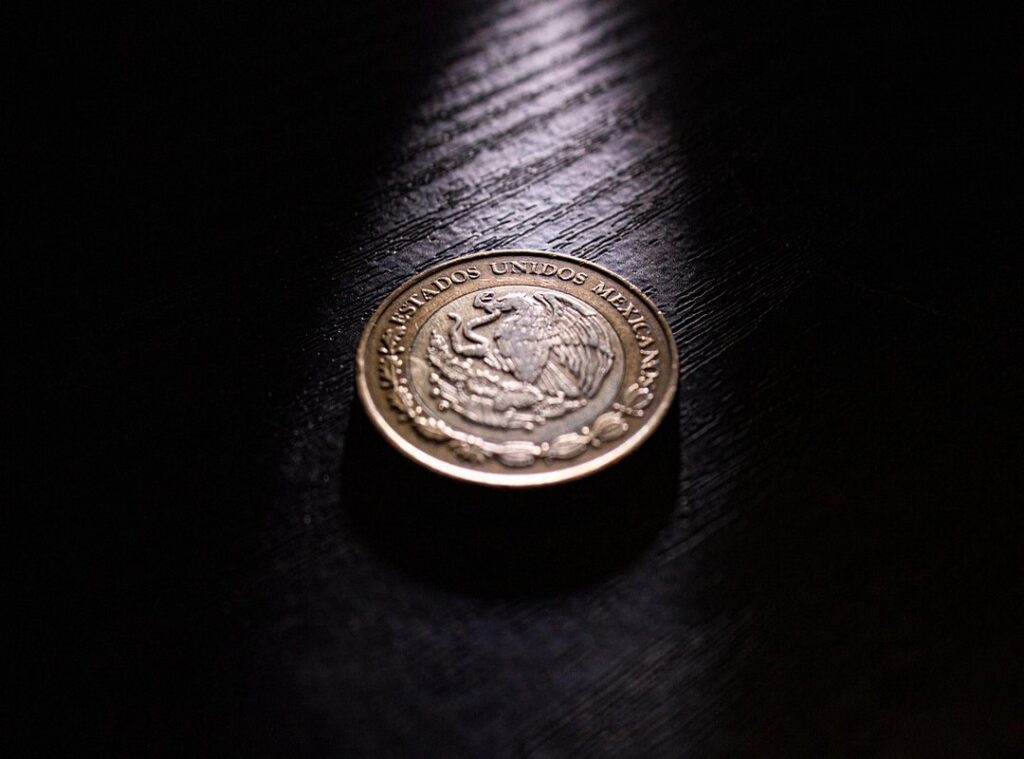
Converting 29,000 pesos mexicanos a pesos chilenos can seem tricky. I get it. Currency conversion isn’t always straightforward, especially with less common currencies.
But don’t worry, and i’m here to make it simple.
Let’s break it down step by step. You’ll see, it’s not as confusing as you might think. Do you have a calculator handy?
Good, and we’ll need it.
I’ll show you the current exchange rate and how to do the math. By the end, you’ll know exactly how much 29,000 Mexican pesos is in Chilean pesos. Trust me, it’s easier than you imagine.
Understanding Currency Conversion Basics
What is a currency exchange rate? It’s the price of one country’s currency in terms of another. Simple, right?
Why do exchange rates fluctuate? Well, they move based on supply and demand in the global market. Makes sense.
Key factors affecting exchange rates include economic performance, interest rates, and political stability. These can make or break your international transactions.
For example, if you’re converting 29000 pesos mexicanos a pesos chilenos, the rate will depend on how these factors are playing out in both Mexico and Chile.
Understanding these basics can help you make more informed decisions. Whether you’re traveling, doing business, or just curious, knowing how exchange rates work can save you money and headaches.
Current Exchange Rate: Mexican Peso (MXN) to Chilean Peso (CLP)
Finding the current exchange rate between the Mexican Peso (MXN) and the Chilean Peso (CLP) can be a bit tricky. But it’s not as hard as you might think.
I was talking to a friend last week, and he said, “It’s all about finding the right sources.” He’s right. You need to go to reliable places for this kind of information.
One good source is your local bank, and they usually have up-to-date rates. Another option is financial news websites.
They often provide real-time data.
Let’s say you want to convert 29000 pesos mexicanos a pesos chilenos. You’d need to check the latest rate first.
Once you have the rate, the math is simple. Just multiply the amount in MXN by the exchange rate. It’s that easy.
Remember, exchange rates can change quickly, and so, always use the most recent data.
Step-by-Step Guide to Convert 29,000 MXN to CLP
Converting 29,000 pesos mexicanos a pesos chilenos can seem daunting, but it’s actually quite straightforward. Let’s break it down step by step.
Step 1: Obtain the Current Exchange Rate
First, you need to find the current exchange rate between Mexican Pesos (MXN) and Chilean Pesos (CLP). This is crucial because rates can fluctuate daily. You can check this on financial news sites or through your bank.
Step 2: Multiply the Amount in MXN by the Exchange Rate
Once you have the exchange rate, multiply 29,000 MXN by that rate. For example, if the rate is 50 CLP per 1 MXN, the calculation would be:
29,000 MXN * 50 CLP/MXN = 1,450,000 CLP
Step 3: Verify the Result
After doing the math, double-check your result. It’s easy to make a mistake, so using a calculator or an online conversion tool can help.
Example Calculation: 29,000 MXN to CLP
Let’s say the exchange rate today is 50 CLP for 1 MXN. The calculation would be:
29,000 MXN * 50 CLP/MXN = 1,450,000 CLP
So, 29,000 MXN is approximately 1,450,000 CLP. Always verify with a reliable source to ensure accuracy.
Practical Tips for Currency Conversion

Currency conversion can feel like a wild ride, especially if you’re not sure where to start. Using online currency converters is a great first step. They’re quick, easy, and give you a good idea of the current rates.
But let’s be real, not all converters are created equal. Some can be way off, leading to some serious Oops moments. (Remember that scene in The Hangover where they wake up with a tiger in the bathroom?
Yeah, it’s kind of like that.)
Bank and financial institution services are another option. They might charge a bit more, but at least you know you’re getting a reliable rate. Plus, they often offer better deals if you’re converting larger amounts. 29000 pesos mexicanos a pesos chilenos
Now, avoiding common pitfalls is key. One big mistake people make is not checking the fees. Hidden fees can eat into your money faster than you can say “29000 pesos mexicanos a pesos chilenos.”
Another pitfall? Not keeping an eye on the exchange rate. Rates can change fast, and what looks like a good deal one day might not be so great the next.
(It’s like trying to catch a Pokémon; you gotta stay alert!)
Lastly, always double-check the final amount before you hit that convert button. It’s better to be safe than sorry. Trust me, you don’t want to end up short-changed, especially when you’re dealing with international transactions.
FAQs About Converting Mexican Pesos to Chilean Pesos
Q1: How often do exchange rates change, and they can change daily, sometimes even hourly. It’s crucial to check the rate on the day you plan to convert.
Q2: Can I convert MXN to CLP at any bank?
Most banks offer this service, but it’s always good to call ahead and confirm. Some smaller banks might not handle less common currency conversions.
Q3: Are there any fees involved in currency conversion?
Yes, there are usually fees. Banks and other financial institutions often charge a percentage of the amount you’re converting.
It’s worth shopping around to find the best deal.
Q4: What if I need to convert a different amount?
The process is the same, no matter the amount. Just make sure you know the current exchange rate.
For example, if you need to convert 29000 pesos mexicanos a pesos chilenos, just multiply by the current rate.
Q5: Is it better to use an online converter or go to a bank?
I prefer using online converters for quick, up-to-date rates. But for actual transactions, banks can offer more security and better customer service.
It depends on your comfort level and the amount you’re converting.
Real-World Examples and Case Studies
Let’s dive into some real-world examples. They’ll help you see how things play out in practice.
Example 1: Traveler’s Experience
Imagine you’re a traveler heading to Chile from Mexico. You’ve got 29000 pesos mexicanos a pesos chilenos in your pocket. You need to convert that to Chilean pesos.
The exchange rate matters, right? If the rate is favorable, you might end up with more spending money. If it’s not, well, you might have to cut back on that fancy dinner.
Example 2: Business Transaction
Now, think about a business transaction. A Mexican company is selling goods to a Chilean firm. The payment is in Mexican pesos, but the Chilean firm needs to pay in their local currency.
The exchange rate can make or break the deal. If the rate is good, both parties win. If not, someone’s going to be unhappy.
Example 3: Online Shopping
Online shopping is another area where this matters. Say you’re buying a product from a Mexican website, but the price is in Chilean pesos. The conversion rate will determine how much you actually pay.
A small change in the rate can add up, especially if you’re making a big purchase.
These examples show why understanding exchange rates is crucial. It’s not just about numbers; it’s about real money and real decisions.
Mastering Currency Conversion
29000 pesos mexicanos a pesos chilenos conversion involves understanding the current exchange rate. It’s crucial to use up-to-date and reliable sources for this information.
Always check multiple financial platforms or consult with a financial advisor. This ensures accuracy and helps in making informed decisions.
Remember, rates can fluctuate due to various economic factors. Staying updated is key.

 Allisonia Williameir is the kind of writer who genuinely cannot publish something without checking it twice. Maybe three times. They came to risk management strategies through years of hands-on work rather than theory, which means the things they writes about — Risk Management Strategies, Wealth Building Techniques, Portfolio Management Tips, among other areas — are things they has actually tested, questioned, and revised opinions on more than once.
That shows in the work. Allisonia's pieces tend to go a level deeper than most. Not in a way that becomes unreadable, but in a way that makes you realize you'd been missing something important. They has a habit of finding the detail that everybody else glosses over and making it the center of the story — which sounds simple, but takes a rare combination of curiosity and patience to pull off consistently. The writing never feels rushed. It feels like someone who sat with the subject long enough to actually understand it.
Outside of specific topics, what Allisonia cares about most is whether the reader walks away with something useful. Not impressed. Not entertained. Useful. That's a harder bar to clear than it sounds, and they clears it more often than not — which is why readers tend to remember Allisonia's articles long after they've forgotten the headline.
Allisonia Williameir is the kind of writer who genuinely cannot publish something without checking it twice. Maybe three times. They came to risk management strategies through years of hands-on work rather than theory, which means the things they writes about — Risk Management Strategies, Wealth Building Techniques, Portfolio Management Tips, among other areas — are things they has actually tested, questioned, and revised opinions on more than once.
That shows in the work. Allisonia's pieces tend to go a level deeper than most. Not in a way that becomes unreadable, but in a way that makes you realize you'd been missing something important. They has a habit of finding the detail that everybody else glosses over and making it the center of the story — which sounds simple, but takes a rare combination of curiosity and patience to pull off consistently. The writing never feels rushed. It feels like someone who sat with the subject long enough to actually understand it.
Outside of specific topics, what Allisonia cares about most is whether the reader walks away with something useful. Not impressed. Not entertained. Useful. That's a harder bar to clear than it sounds, and they clears it more often than not — which is why readers tend to remember Allisonia's articles long after they've forgotten the headline.