
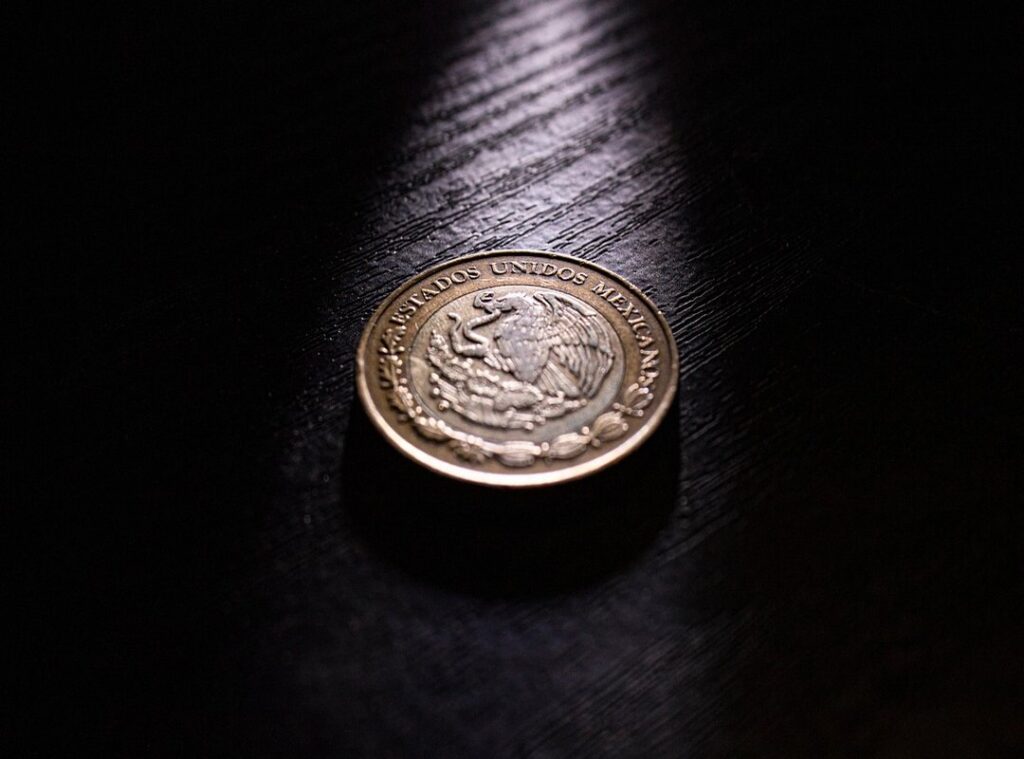
25,000 Mexican Pesos (MXN) is currently worth about 1,300,000 Chilean Pesos (CLP). This number isn’t set in stone. Exchange rates change every day because of global economic factors.
I promise this guide will do more than just give you a number. We’ll dive into what drives these exchange rates. By the end, you’ll know how to calculate the conversion yourself and find the best ways to exchange your money without getting hit by hidden fees.
Understanding these details can save you a lot of money, whether you’re traveling, doing business, or sending funds to family. Let’s get started.
Understanding the MXN to CLP Exchange Rate Today
An exchange rate is like a price tag. It tells you how much one currency is worth in terms of another. For example, 1 MXN = X CLP.
This is the mid-market rate, or the ‘real’ rate before any bank or service fees get added.
Inflation rates in Mexico and Chile, central bank policies, and trade relationships are key factors that cause this rate to change. Think of it like the price of a stock. The value goes up and down based on supply and demand for a country’s currency.
Let’s break it down:
- Inflation Rates: Higher inflation in one country can devalue its currency.
- Central Bank Policies: Changes in interest rates and monetary policy can affect the exchange rate.
- Trade Relationships: Stronger trade ties can stabilize or boost the exchange rate.
A month ago, the rate might have been different. Maybe it was 1 MXN = Y CLP. This shows how the rate fluctuates over time.
It’s important to check a live exchange rate calculator right before making a transaction. This ensures you get the most accurate numbers.
For instance, if you need to convert 25.000 pesos mexicanos a chilenos, the amount you get today could be very different from what you’d get next week. Always stay updated!
How to Calculate Your Conversion in Two Simple Steps
Let’s be real, and converting currencies can be a headache. You just want to know how much your money is worth without jumping through hoops.
First, find the current MXN to CLP exchange rate from a reliable source. Google Finance, XE.com, or a central bank website are good options.
Next, use this simple formula: (Amount in Mexican Pesos) x (Current Exchange Rate) = Amount in Chilean Pesos.
Let’s convert 25,000 MXN. If the current rate is 1 MXN = 55 CLP, the calculation is 25,000 * 55 = 1,375,000 CLP.
Now, here’s the part that gets under my skin. The rate you see isn’t always what you get. There’s something called the ‘spread’ or margin.
It’s how exchange services make a profit. So, the rate a consumer gets will be slightly worse than the mid-market rate.
Why does this matter? Because it means you might not be getting the best deal.
To avoid this, do a quick calculation to compare different services. See who is offering a rate closest to the mid-market rate. This way, you can save some cash and feel good about your choice.
Remember, 25.000 pesos mexicanos a chilenos is more than just a number. It’s your hard-earned money, and you deserve to get the most for it.
Where to Get the Best Rate: Comparing Your Exchange Options

When it comes to exchanging currency, you’ve got a few options. Each has its pros and cons, especially when it comes to fees and convenience. 25.000 pesos mexicanos a chilenos
Traditional banks are a familiar choice. They’re secure, and you know what you’re getting. But here’s the catch: they often have poor exchange rates and high transfer fees.
Not ideal if you want to keep more of your money.
Airport currency exchange kiosks are super convenient, especially if you need cash in a hurry. But let’s be real. They consistently offer the worst exchange rates and the highest fees.
It’s a last resort, really.
Online money transfer services, like Wise or Remitly, are a different story. These platforms typically offer rates closest to the mid-market rate with transparent, low fees. The downside?
You need to set up an account online beforehand. A bit of planning goes a long way.
Using a debit or credit card in Chile is another option. It’s simple and widely accepted, and just be cautious.
Foreign transaction fees from your home bank can add up. Also, watch out for dynamic currency conversion offers at payment terminals. They might seem convenient but can cost you extra.
So, what’s the best value for 25.000 pesos mexicanos a chilenos? An online service planned in advance is usually the cheapest option. If convenience is your top priority, using a no-foreign-fee credit card is the way to go.
Common Questions About Exchanging Mexican and Chilean Pesos
Q1: Is it better to exchange pesos in Mexico before I leave or in Chile when I arrive?
A: Generally, you get a better rate by exchanging in the destination country (Chile) or by withdrawing from an ATM upon arrival.
Q2: What is the currency code for each peso?
A: The official code for the Mexican Peso is MXN, and for the Chilean Peso, it is CLP.
Q3: How much cash should I bring to Chile?
A: Advise carrying a small amount of CLP for immediate needs like a taxi, and relying on cards for larger purchases for safety and better rates.
Q4: Will I get a better rate for exchanging a larger amount of money?
A: Sometimes, but the biggest factor is the service you use, not the amount. The difference between a good and bad service is much larger than any bulk discount.
Now, let’s talk about the future.
I think we’ll see more people using digital wallets and mobile apps for currency exchanges. It’s just more convenient and often offers better rates. Plus, with the rise of contactless payments, carrying large amounts of cash will become less common.
If you’re planning a trip soon, consider this: 25.000 pesos mexicanos a chilenos might be a handy amount to have, but you might find it easier and safer to rely on your card for most transactions. Just make sure to check with your bank about any foreign transaction fees.
Making Your 25,000 Pesos Go Further
Converting 25.000 pesos mexicanos a chilenos is straightforward once you understand the basics. Always check the live mid-market rate and compare it against the rate offered by an exchange service. This step ensures you get the best deal.
Choosing the right service can save you thousands of Chilean pesos, giving you more to spend on your trip or investment.

 Allisonia Williameir is the kind of writer who genuinely cannot publish something without checking it twice. Maybe three times. They came to risk management strategies through years of hands-on work rather than theory, which means the things they writes about — Risk Management Strategies, Wealth Building Techniques, Portfolio Management Tips, among other areas — are things they has actually tested, questioned, and revised opinions on more than once.
That shows in the work. Allisonia's pieces tend to go a level deeper than most. Not in a way that becomes unreadable, but in a way that makes you realize you'd been missing something important. They has a habit of finding the detail that everybody else glosses over and making it the center of the story — which sounds simple, but takes a rare combination of curiosity and patience to pull off consistently. The writing never feels rushed. It feels like someone who sat with the subject long enough to actually understand it.
Outside of specific topics, what Allisonia cares about most is whether the reader walks away with something useful. Not impressed. Not entertained. Useful. That's a harder bar to clear than it sounds, and they clears it more often than not — which is why readers tend to remember Allisonia's articles long after they've forgotten the headline.
Allisonia Williameir is the kind of writer who genuinely cannot publish something without checking it twice. Maybe three times. They came to risk management strategies through years of hands-on work rather than theory, which means the things they writes about — Risk Management Strategies, Wealth Building Techniques, Portfolio Management Tips, among other areas — are things they has actually tested, questioned, and revised opinions on more than once.
That shows in the work. Allisonia's pieces tend to go a level deeper than most. Not in a way that becomes unreadable, but in a way that makes you realize you'd been missing something important. They has a habit of finding the detail that everybody else glosses over and making it the center of the story — which sounds simple, but takes a rare combination of curiosity and patience to pull off consistently. The writing never feels rushed. It feels like someone who sat with the subject long enough to actually understand it.
Outside of specific topics, what Allisonia cares about most is whether the reader walks away with something useful. Not impressed. Not entertained. Useful. That's a harder bar to clear than it sounds, and they clears it more often than not — which is why readers tend to remember Allisonia's articles long after they've forgotten the headline.