
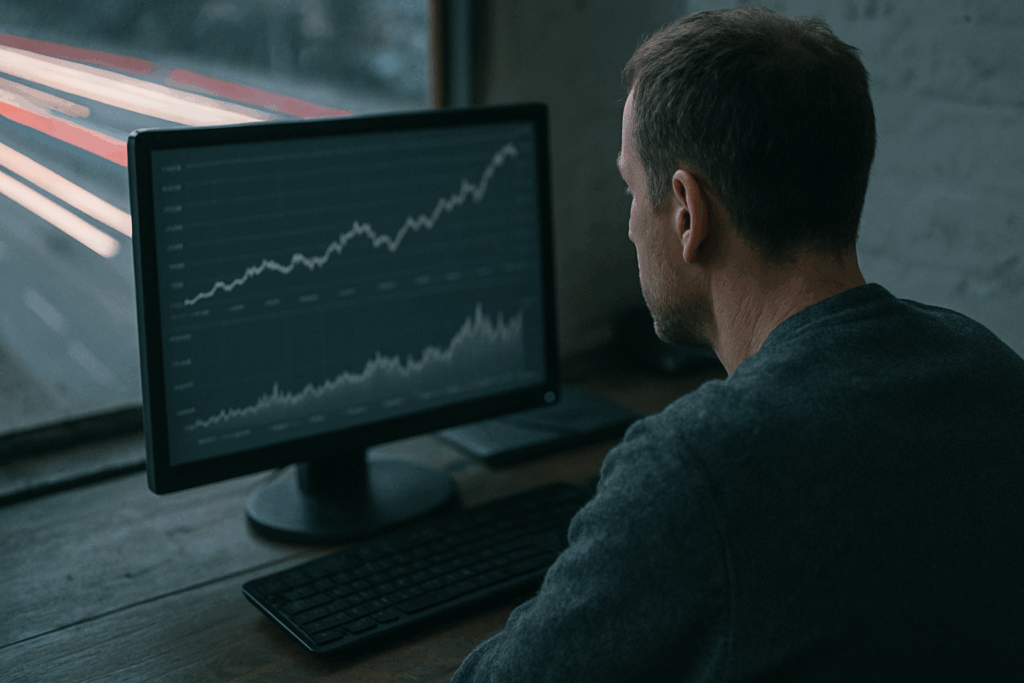
Inflation Isn’t Just About Prices
Inflation isn’t just about sticker shock at the supermarket. It’s about what your money can actually buy over time and in 2026, that power continues to shift. While the worst spikes may be behind us, inflation remains front and center, with central banks walking a tightrope: drive down prices without choking off recovery.
What’s changed isn’t just the numbers it’s the psychology. Investors, consumers, and policymakers now react more quickly to inflation signals. A single data point can move markets. That’s why understanding the real mechanics how inflation ripples through interest rates, earnings forecasts, and portfolio values is no longer optional. It’s essential.
Inflation shapes the rhythm of the financial world: what assets perform, how risk is priced, and when capital moves. For serious investors looking to stay ahead of the curve, recognizing inflation’s role isn’t a theory it’s a survival skill.
Bonds
Bonds and inflation don’t get along. When prices rise, the fixed income from bonds loses real world value. A bond paying you 3% sounds decent until inflation hits 5%. Suddenly, you’re losing ground just by holding it.
Long duration bonds take the brunt of this. The further out your money is tied up, the more vulnerable it becomes to inflation’s slow erosion. That’s why in high inflation periods, investors start shifting toward shorter duration bonds or looking elsewhere altogether.
One bright spot: TIPS. Treasury Inflation Protected Securities are designed to move with inflation, adjusting their principal to keep up with rising prices. They’re not glamorous, but in an economy where everything costs more by the month, TIPS offer something that’s in short supply stability.
Investor Behavior During Inflationary Times
Inflation doesn’t just influence asset performance it also reshapes how investors, consumers, and institutions respond to shifting economic signals. Market behavior during inflationary periods is often marked by heightened uncertainty and rapid changes in sentiment.
Increased Volatility
When inflation reports are released, markets tend to react swiftly. Even a small deviation from forecasted inflation figures can trigger:
Large swings in stock prices
Bond yield adjustments
Currency fluctuations as investors reposition globally
This environment rewards agility and informed decision making. Day to day volatility becomes more common, especially in interest sensitive sectors.
Central Bank Speculation
Policy anticipation becomes a driving force in market behavior. As central banks (such as the Federal Reserve or European Central Bank) adjust interest rates or signal policy shifts, investors react preemptively:
Equities may rise or fall based on perceived tightening or easing
Bond markets adjust yield curves in response to interest rate outlooks
Currencies strengthen or weaken as capital flows shift across borders
Monitoring policy statements and economic guidance becomes essential for managing timing and exposure.
Shifts in Consumer Behavior
Inflation also changes how consumers spend and save, which has downstream effects on corporate performance and valuations:
Reduced discretionary spending may hurt retail, travel, or entertainment sectors
Demand may shift toward essentials, boosting consumer staples
Inflation adjusted earnings may appear weaker, impacting price to earnings ratios
Understanding consumer sentiment gives investors an edge when evaluating earnings reports and market sectors.
Overall, inflation reshapes behavior at every level from global institutions down to individual budgets. Staying alert to these shifts can help investors remain strategic rather than reactive.
The Role of Economic Indicators
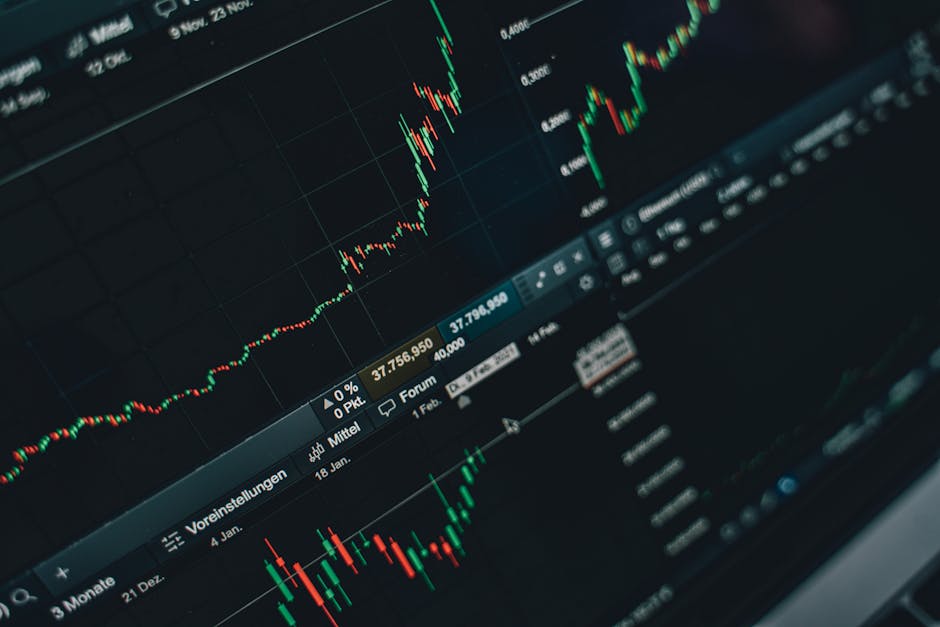
Understanding inflation is just one piece of the puzzle. To navigate financial markets effectively, especially in volatile periods, smart investors pair inflation data with leading economic indicators to get a fuller picture of what’s ahead.
Key Indicators to Watch
Monitoring the right indicators can help anticipate market shifts and identify opportunities before they become mainstream.
Unemployment Rates
Rising unemployment often signals slowing economic growth, which could temper inflation over time. Conversely, strong job markets may suggest continued price pressures.
Consumer Confidence
When confidence is high, spending tends to increase fueling demand and potentially contributing to inflation. Declining confidence may lead to reduced consumer activity, impacting corporate revenues.
GDP Trends
Gross Domestic Product growth can reflect overall economic health. A growing GDP often means stronger company performance, while a contraction may signal a need for defensive portfolio shifts.
Why Macro Matters
Staying informed on broad economic shifts equips investors to:
Rebalance portfolios in anticipation of rate hikes or easing
Adjust asset allocation based on expected sector performance
Make more informed calls on timing entry or exit points in volatile markets
Pro Tip: Don’t look at inflation in isolation. A multidimensional view that includes macroeconomics will always provide better insights for long term investing.
Deepen your strategy: Analyzing Economic Indicators for Smarter Investing
Final Take
Inflation doesn’t fade quietly. Even when rates ease, its aftershocks tug at markets for years impacting business costs, consumer habits, and the value of money itself. For long term investors, this means the usual set and forget strategy doesn’t cut it. Adaptability and awareness become part of the toolkit.
Diversity isn’t just a buzzword it’s a survival method. Spread across asset classes. Think beyond domestic markets. Watch macro indicators like a hawk. When inflation hits, having a balanced mix of stocks, real assets, and inflation protected instruments can make the difference between weathering the storm and getting swept off course.
Most important? Stay proactive. Inflation is a moving target shaped by global events, policy shifts, and market psychology. Heading into 2026 and beyond, investors who stay sharp who read the signs early and move with purpose won’t just survive inflation cycles. They’ll lead through them.
