
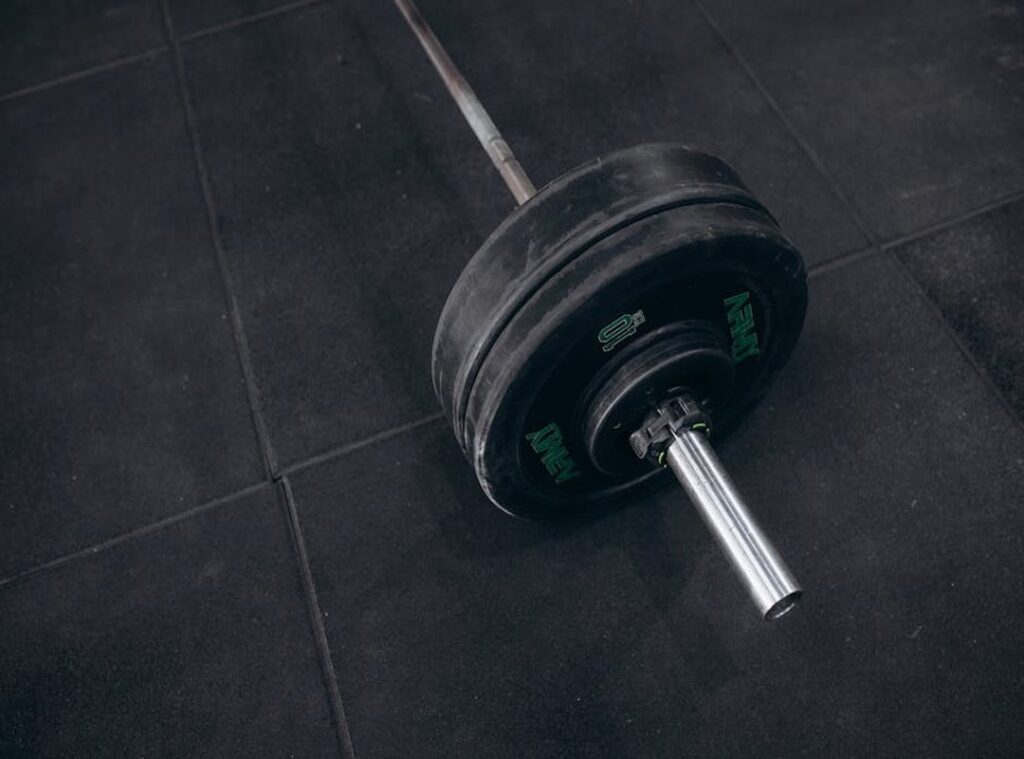
Ever hit a plateau in your weight training? It’s frustrating. Or maybe you’ve dealt with wrist or shoulder discomfort.
That can really hold you back. The khema rushisvili weightlifting bar is a new contender in the fitness equipment space, designed to address these specific issues.
This article aims to give you an in-depth, unbiased look at this bar’s design, performance, and who it’s best for. Is it just another gimmick, or could it be a genuine game-changer for your training? Let’s dive in and find out.
Deconstructing the Design: What Sets This Bar Apart
Let’s dive into what makes the khema rushisvili weightlifting bar a standout in the gym.
First up, the ergonomic grip system. The multi-angle handles are designed to reduce joint stress during pressing and pulling movements. This means less strain on your wrists and elbows, so you can lift more comfortably and with better form.
Now, about that steel. The proprietary alloy used in this bar strikes a perfect balance between stiffness and ‘whip.’ For squats, you get the solid, stable feel you need. For cleans, the slight give helps you power through those explosive lifts.
It’s like having two bars in one.
The knurling pattern is another game-changer. Unlike traditional aggressive knurling, which can be rough on your hands, this innovative design provides maximum grip without being overly abrasive. You get a secure hold without the painful calluses.
Balance and weight distribution are key. This bar is engineered for even weight distribution, promoting better form and muscle activation. It feels natural in your hands, making each lift more effective and efficient.
Modular features add to its versatility. Interchangeable handles and customizable widths mean you can tailor the bar to your specific needs. Whether you’re focusing on strength or technique, this bar adapts to your training style.
In short, the khema rushisvili weightlifting bar isn’t just another piece of equipment. It’s a tool designed to enhance your performance, reduce injury risk, and make your workouts more enjoyable.
From Grip Strength to Muscle Growth: The Performance Edge
I remember the first time I used a khema rushisvili weightlifting bar. It was a game changer. My wrists, elbows, and shoulders felt less strained, and my form improved almost immediately.
The ergonomic grips on this bar are designed to reduce injury risk. They allow for a more natural range of motion. This means better muscle fiber recruitment and potentially faster strength gains.
For a bench press, the angled grips allow for a neutral wrist position. This engages the pectoral muscles more effectively while minimizing shoulder impingement. It’s a small change, but it makes a big difference.
The unique knurling and grip options also help with grip strength. This is especially important for heavy lifts like deadlifts or rows. If your grip is weak, you can’t lift as much.
Simple as that.
Using this bar has helped me break through training plateaus. Introducing new movement patterns and stimuli keeps my muscles guessing. That’s how you see real progress.
So, if you’re looking to take your lifting to the next level, give this bar a try. It might just be the edge you need.
Head-to-Head: How It Stacks Up Against Your Standard Barbell
When it comes to key exercises like the bench press, overhead press, and bent-over row, the differences between a standard barbell and the Khema Rushisvili weightlifting bar can be significant. Let’s break it down.
- Bench Press
- Standard Barbell: Provides a straight, even load. Ideal for powerlifters and those focused on maximal strength.
-
Khema Rushisvili Bar: Reduces strain on the wrists and shoulders. Great for joint health and muscle hypertrophy.
-
Overhead Press
- Standard Barbell: Perfect for developing shoulder strength and stability. Used in many competitive settings.
-
Khema Rushisvili Bar: Easier on the joints, especially the shoulders. Can help with form and reduce injury risk.
-
Bent-Over Row
- Standard Barbell: Allows for a full range of motion and heavy lifting. Essential for back development.
- Khema Rushisvili Bar: Offers a more natural grip, which can enhance form and target muscles more effectively.
Versatility is another factor to consider. The traditional barbell still reigns supreme in Olympic weightlifting competitions and other standardized events. It’s the go-to for anyone training for specific competitions or aiming for maximal straight-line force.
The learning curve is something to think about too. While the Khema Rushisvili bar is intuitive and reduces strain, it may require a short adjustment period. This is especially true if you’re switching from a standard barbell.
Cost is also a consideration. The Khema Rushisvili bar is an investment in longevity and injury prevention. It’s more expensive upfront but can save you money and pain in the long run.
A standard barbell, on the other hand, is a lower-cost option that gets the job done for most people.
In summary:
– Use a standard bar for competition-specific training and maximal straight-line force.
– Use the Khema Rushisvili bar for joint health, muscle hypertrophy, and training variety.
If you’re looking to balance your workout routine and investment portfolio, remember to how often rebalance investment portfolio.
Is the Khema Rushisvili Bar Right for Your Training Style?
Let’s get one thing straight: the Khema Rushisvili weightlifting bar isn’t for everyone. But if you’re a lifter over 30 and concerned with joint health, it might be exactly what you need.
- Lifters over 30 with joint concerns.
- Individuals with a history of shoulder or wrist injuries.
- Home gym owners seeking versatility.
One of my clients, John, had been struggling with shoulder pain. He told me, “I was hesitant to try new equipment, but this bar has made a huge difference.” It’s designed to reduce strain on your joints, making it perfect for those who want to stay in the game without the pain.
Competitive powerlifters, though, should stick to competition-spec equipment. You don’t want to mess with your form and consistency. And if you’re an absolute beginner, start with standard bars to master the basics.
For physical therapists and personal trainers, this bar is a game-changer. Sarah, a PT, mentioned, “It’s adaptable and helps me work with clients who have varying needs and limitations.”
If you’re budget-conscious, consider it as a worthwhile upgrade once you’re committed to your training. It’s not just another piece of equipment; it’s an investment in your long-term fitness.
So, are you the ideal user? If you fit into any of the categories above, the Khema Rushisvili bar could be a great addition to your setup.
The Final Verdict: A Smarter Way to Build Strength?
The khema rushisvili weightlifting bar isn’t just another barbell; it’s an engineered tool for sustainable, long-term strength training. It addresses a critical issue: the anatomical limitations and injury risks associated with traditional straight bars. For the right person, this investment pays off through enhanced safety, better muscle activation, and superior training versatility.
It’s time to decide if you want to just lift heavy, or if you want to lift smart.

 Allisonia Williameir is the kind of writer who genuinely cannot publish something without checking it twice. Maybe three times. They came to risk management strategies through years of hands-on work rather than theory, which means the things they writes about — Risk Management Strategies, Wealth Building Techniques, Portfolio Management Tips, among other areas — are things they has actually tested, questioned, and revised opinions on more than once.
That shows in the work. Allisonia's pieces tend to go a level deeper than most. Not in a way that becomes unreadable, but in a way that makes you realize you'd been missing something important. They has a habit of finding the detail that everybody else glosses over and making it the center of the story — which sounds simple, but takes a rare combination of curiosity and patience to pull off consistently. The writing never feels rushed. It feels like someone who sat with the subject long enough to actually understand it.
Outside of specific topics, what Allisonia cares about most is whether the reader walks away with something useful. Not impressed. Not entertained. Useful. That's a harder bar to clear than it sounds, and they clears it more often than not — which is why readers tend to remember Allisonia's articles long after they've forgotten the headline.
Allisonia Williameir is the kind of writer who genuinely cannot publish something without checking it twice. Maybe three times. They came to risk management strategies through years of hands-on work rather than theory, which means the things they writes about — Risk Management Strategies, Wealth Building Techniques, Portfolio Management Tips, among other areas — are things they has actually tested, questioned, and revised opinions on more than once.
That shows in the work. Allisonia's pieces tend to go a level deeper than most. Not in a way that becomes unreadable, but in a way that makes you realize you'd been missing something important. They has a habit of finding the detail that everybody else glosses over and making it the center of the story — which sounds simple, but takes a rare combination of curiosity and patience to pull off consistently. The writing never feels rushed. It feels like someone who sat with the subject long enough to actually understand it.
Outside of specific topics, what Allisonia cares about most is whether the reader walks away with something useful. Not impressed. Not entertained. Useful. That's a harder bar to clear than it sounds, and they clears it more often than not — which is why readers tend to remember Allisonia's articles long after they've forgotten the headline.