
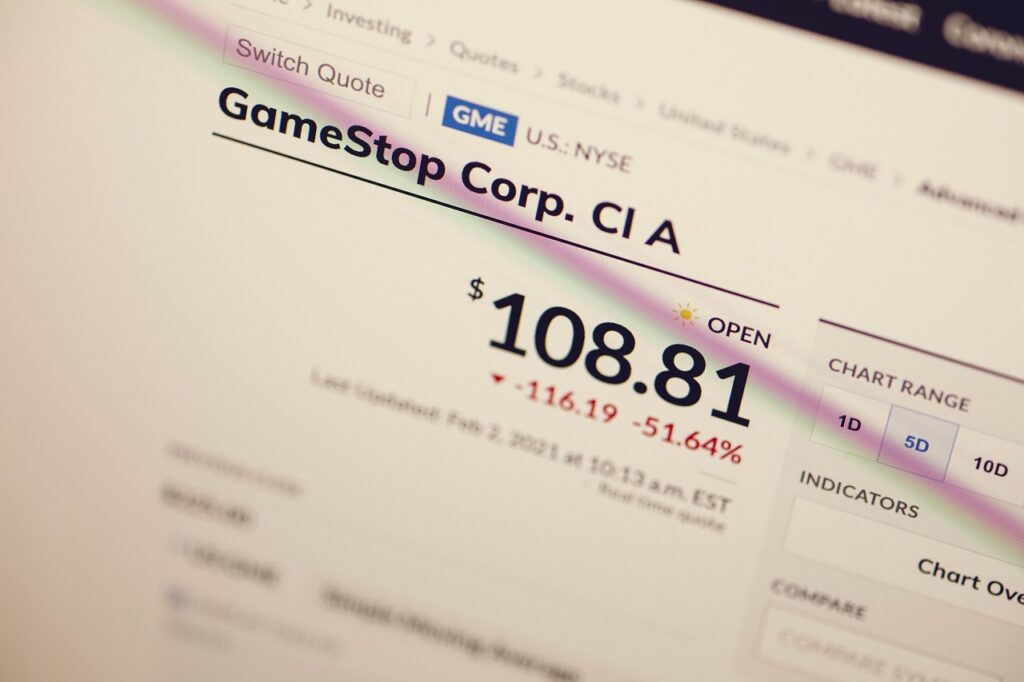
What Defines a Bull vs. Bear Market
A bull market happens when the overall value of financial markets most often measured by stock indexes like the S&P 500 rises by 20% or more from a recent low. It signals optimism, growth, and investor confidence. A bear market, on the other hand, is marked by a 20% or more drop from recent highs, usually accompanied by fear, uncertainty, and a pullback in spending and investment.
These market shifts aren’t random. Bull markets often kick off when interest rates are low, company earnings are growing, and consumers are spending. Confidence feeds itself. Bear markets usually show up when inflation spikes, interest rates rise, or some economic shock (think: a financial crisis or pandemic) rattles the system enough to slow things down.
Why care? Simple. These terms give both casual and active investors a quick read on where the market mindset is. They shape decisions from retirement planning to when to buy or sell assets. Understanding whether we’re in a bull or bear cycle helps investors brace for what’s next, rather than react too late.
Key Economic Indicators to Watch
Economic indicators don’t lie. They’re the dashboard gauges investors glance at to see if we’re speeding toward a cliff or cruising into a boom.
First up: GDP. When gross domestic product grows steadily, it usually signals a healthy, expanding economy. But if it slows or contracts for two consecutive quarters, that’s the textbook definition of a recession. Investors brace, markets tighten, and sentiment tilts bearish.
Unemployment also tells a story. Rising jobless numbers suggest business cutbacks and weaker demand. On the flip side, consistent job growth especially in key industries can fuel optimism and, in turn, bullish markets.
Interest rates are next. When rates rise, borrowing gets more expensive. That cools spending and investment, often reining in inflation. Lower rates, meanwhile, can light a fire under consumer spending and business growth. Central banks use this lever carefully, trying to steer the economy without breaking it.
And then there’s inflation. Too much of it eats into purchasing power and spooks investors. Too little can signal stagnant demand. Watch the Consumer Price Index (CPI) for a pulse. When paired with the Consumer Confidence Index which gauges how optimistic people feel about the economy you get a sense of where we’re heading.
These signals don’t always point in the same direction, but tracking them together helps demystify whether the market is gearing up for a climb or bracing for a drop.
Stock Market Signs You Can’t Ignore
Start with the big three: the S&P 500, the Dow Jones Industrial Average, and the Nasdaq. If you want a pulse check on the market, these indexes are where you look first. The S&P 500 gives a wide angle view of 500 large cap stocks it’s the truest snapshot of overall sentiment. The Dow Jones is narrower, focused on 30 blue chip giants. Steady Dow gains suggest confidence in legacy names. The Nasdaq leans tech heavy, so spikes or slumps there often signal how investors feel about growth and innovation.
That said, don’t stop at price movement. Dig into market breadth and volume. If the S&P rises but only a handful of stocks are pulling the weight, that’s not strength that’s fragility. Broad participation across sectors with rising volume? That’s where you find real momentum.
Now, earnings season is the real stress test. Corporate results expose what’s going on behind the scenes. Are profits keeping up with stock prices? Are growth projections realistic or pipedreams? Investors watch guidance just as closely as results. A company beating last quarter but lowering future expectations can tank a stock faster than any market rumor.
Last, take a hard look at price to earnings (P/E) ratios. When P/Es are climbing while earnings flatten out, it means the market’s running on hope, not results. That’s often a sign we’re near a peak or at least due for a correction. High growth sectors always get rich valuations, but stretched fundamentals can’t bend forever. Know the story behind the numbers. That’s where clarity lives.
Investor Sentiment & Behavioral Trends

Markets can swing hard, and often, it’s emotions not just numbers that drive the moves. That’s where investor sentiment tools come in.
Start with the Fear & Greed Index. It’s a quick pulse check that blends market momentum, options activity, volatility, and other inputs to show whether investors are leaning scared or charging ahead. When the dial tilts too far in either direction, it’s usually a signal: time to pause, not panic or get greedy.
Then there’s the VIX the Volatility Index. Sometimes dubbed the “fear gauge,” it spikes when uncertainty floods the market. High VIX levels tend to correlate with sharp downturns or incoming turbulence. For experienced investors, a rising VIX doesn’t necessarily mean bail out it’s a moment to focus, get selective, and prepare.
Media narratives also play their part. When headlines shift en masse from “melt up” to “recession risk,” trust that crowd psychology is taking the wheel. Markets can overreact, both up and down, and staying calm while others flinch is often an edge.
Finally, look at the split between institutional and retail investors. Big money moves tracked through fund flows and volume spikes often give away real sentiment beneath the surface noise. Retail investors tend to follow trends. Institutions are often already repositioning. Watching how these groups behave differently can help smarter investors anticipate market turns.
Sentiment isn’t science, but it’s not fluff either. Learn to read the mood, and you’ll stay a step ahead of the stampede.
Sector Movements and What They Tell Us
Economic cycles don’t just move the market they define which parts of it lead or lag. In expansions, growth driven sectors like tech, consumer discretionary, and industrials tend to surge. When the tide turns and contraction hits, the spotlight shifts to defensives like utilities, healthcare, and consumer staples. These aren’t immune, but they usually fall less.
This is where the safe haven vs. risk on dynamic comes into play. Investors looking for protection often flock to the “safe” sectors companies with steady cash flow and less reliance on economic booms. On the flip side, risk on assets shine when optimism rules. Think high beta plays like small cap tech or speculative growth stocks. They move fast, and not always in one direction.
Being sector savvy isn’t optional it’s survival. Knowing where capital flows during each phase of the cycle gives investors a real edge. Want a head start? Check out Top Sectors to Watch in the Stock Market This Year.
How to Respond Like a Pro
Markets go up, markets go down your strategy shouldn’t flinch either way. When things turn bearish, the name of the game is preservation. That means shifting into defensive stocks industries like consumer staples or utilities that people rely on no matter what. Cash flow becomes king. Make sure the companies you hold can weather the storm without burning through reserves. And don’t underestimate diversification; spreading your risk across sectors and asset classes can blunt the worst of a downturn.
In a bull market, it’s about leaning into calculated risk. Growth stocks tend to shine, but the timing of profit taking is what separates a good return from a regret. Know your entry and exit, and don’t get greedy. Gains on paper mean nothing until you lock them in.
Rebalancing isn’t just something to consider at year end adjusting your portfolio regularly helps keep your risk levels in check as markets dance. Review where you’re overexposed and tighten it up. And as tempting as hype can be, don’t chase the latest hot stock. Trends fade fast. Smart investors look past the noise, track the signals, and plan moves not reactions.
Staying Ahead in 2026
Paying attention to macro trends isn’t just for economists or professional traders. In unpredictable markets, it’s your early warning system. Events like central bank policy shifts, geopolitical instability, or shifts in commodity prices tend to ripple through everything from individual stocks to entire sectors. Investors who saw inflation climbing early or noticed shifts in interest rate guidance were already positioning themselves while others were still reading the headlines.
Seasoned investors rely on a shortlist of high signal tools: the Federal Reserve’s economic projections, the Conference Board’s Leading Economic Index (LEI), and global trend data from institutions like the IMF or OECD. They also track sentiment more broadly through indices like the VIX, as well as less traditional sources like bond market activity and currency movements.
The takeaway? Markets move in cycles. They always have, and they always will. Whether it’s a bull market running hot or a bear market dragging confidence down, the most reliable defense is staying sharp. Read, track, and adapt. The investors who last are the ones who prepare before the shift not during it.
