
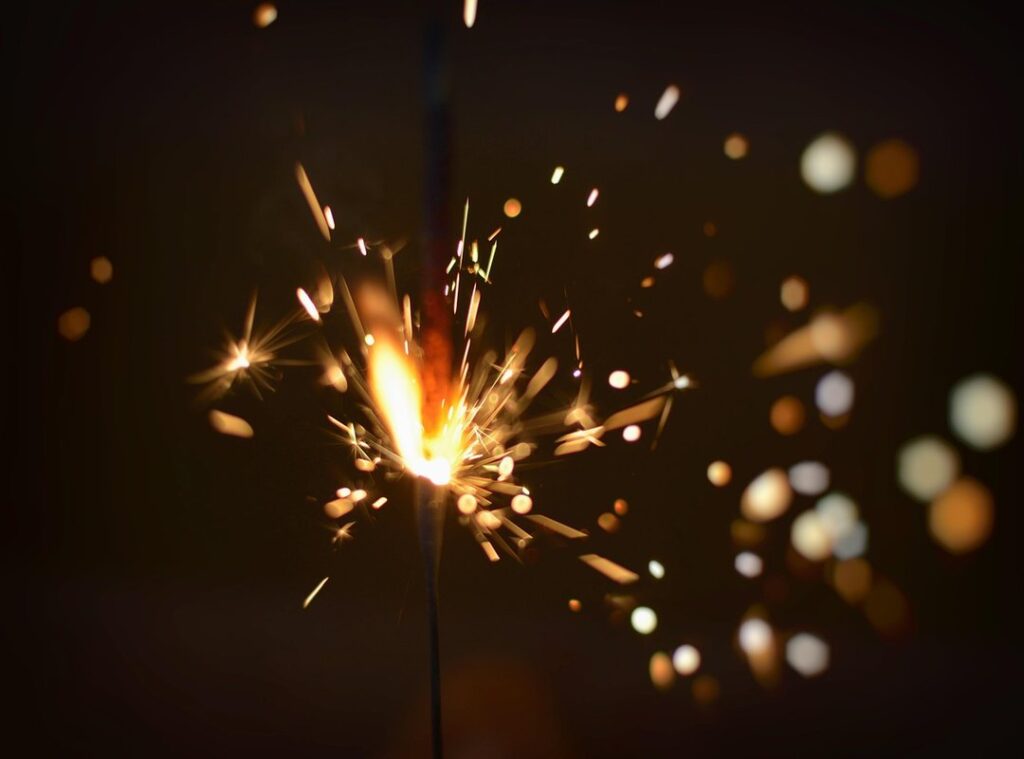
Petasan pemalang, for those who might not know, refers to firecrackers from Pemalang, a regency in Central Java, Indonesia. I’m here to give you a no-nonsense guide about these firecrackers, covering the laws, safety risks, and cultural context.
You might be searching for this because of local news, regulations, or holiday traditions. I get it—there’s a lot of confusion out there. So, let’s cut through the noise.
I’ll answer the most common questions: Are they legal? Why are they so notorious? You deserve clear, direct answers.
Let’s dive in.
The Legal Status: Are Firecrackers Permitted in Pemalang?
Let’s get straight to the point. Firecrackers—the loud, explosive kind—are not permitted in Pemalang. Indonesian law is clear and strict on this.
Legal, commercially produced fireworks (known as ‘kembang api’) are a different story. These are generally allowed, but you need to be careful.
Petasan pemalang, or homemade, powerful firecrackers, are a big no-no. They’re illegal, and for good reason. Imagine if everyone was setting off these things all the time.
It’d be chaos!
The regulations are pretty straightforward. You can’t manufacture, sell, or possess explosive firecrackers without a permit. And let me tell you, getting that permit is no walk in the park.
Police raids, or razia, are common, especially before major holidays like Eid al-Fitr (Lebaran). They take this stuff seriously. If you’re caught, it’s not just a slap on the wrist.
We’re talking hefty fines and even imprisonment.
So, unless you want to spend your holiday in a less-than-ideal setting, it’s best to stick with the legal, safer options. Trust me, your neighbors will thank you too.
Understanding the Risks: Safety Concerns and Reported Incidents
Illegal firecrackers, especially those made with unstable and dangerous materials, pose significant public safety risks. These homemade firecrackers, often referred to as petasan pemalang, are a major concern.
- Accidental explosions in homes used for production
- House fires
- Severe personal injuries like burns and loss of limbs
These incidents not only cause extensive property damage but also strain local medical and emergency services. Imagine the impact on a community when a single explosion can lead to multiple families losing their homes and loved ones needing urgent medical care.
Homemade firecrackers are particularly dangerous due to the lack of quality control. They often use volatile, low-grade explosive powders, which can easily ignite and cause catastrophic chain reactions.
Local authorities in Pemalang have been running safety campaigns to discourage the use of illegal firecrackers. They promote safer celebration alternatives, such as attending public fireworks displays or using legal, regulated firecrackers.
So, what should you do? petasan pemalang
- Avoid buying or using any illegal firecrackers.
- Report any suspicious activities related to the production or sale of petasan pemalang.
- Participate in community events that offer safe and controlled celebrations.
By taking these steps, you can help keep your community safe and reduce the risk of tragic incidents.
Cultural Significance: Why Firecrackers Are a Local Tradition

Firecrackers have deep roots in Indonesian culture. They’re not just for noise; they’re a way to celebrate and honor traditions.
In many parts of Indonesia, especially during religious festivals and special events, firecrackers are used to ward off evil spirits. They also express joy and create a festive atmosphere. It’s like adding an extra layer of excitement to the celebrations.
But here’s the catch. These long-standing traditions often clash with modern safety regulations and public order concerns. The government has to balance the community’s love for these customs with the need to keep everyone safe.
For some in rural areas, making and selling firecrackers, like petasan pemalang, is a seasonal source of income. This can be a lifeline for families, despite the risks and the fact that it’s often illegal.
So, what’s next? How do we move forward? It’s a tough call.
The community’s attachment to the tradition is strong, but so is the government’s responsibility to ensure public safety.
-
CAN THE TRADITION EVOLVE? Maybe there’s a way to keep the spirit of the tradition alive while finding safer alternatives. What if we could innovate and still honor the past?
-
HOW CAN WE SUPPORT LOCAL ECONOMIES? Is there a way to support those who rely on this seasonal income without compromising safety? It’s a question worth exploring.
-
WHAT ROLE CAN EDUCATION PLAY? Educating the public about the dangers and the importance of following regulations might help. Knowledge is power, after all.
These are the kinds of questions we need to think about. It’s not just about preserving the past; it’s about building a safer, more inclusive future.
Finding Safe Alternatives and Official Information
When planning to celebrate, it’s crucial to do so safely and legally. Consider using regulated fireworks, sparklers, or attending community-organized fireworks displays as alternatives to petasan pemalang.
Always check the latest regulations by visiting the official websites or social media channels of the Indonesian National Police (POLRI) or the local Pemalang Regency government.
Purchasing any legal celebratory items from licensed and reputable vendors is essential for safety.
Non-pyrotechnic options like noisemakers, lanterns, or participating in local parades and festivals can also add to the festive atmosphere without the risks.

 Allisonia Williameir is the kind of writer who genuinely cannot publish something without checking it twice. Maybe three times. They came to risk management strategies through years of hands-on work rather than theory, which means the things they writes about — Risk Management Strategies, Wealth Building Techniques, Portfolio Management Tips, among other areas — are things they has actually tested, questioned, and revised opinions on more than once.
That shows in the work. Allisonia's pieces tend to go a level deeper than most. Not in a way that becomes unreadable, but in a way that makes you realize you'd been missing something important. They has a habit of finding the detail that everybody else glosses over and making it the center of the story — which sounds simple, but takes a rare combination of curiosity and patience to pull off consistently. The writing never feels rushed. It feels like someone who sat with the subject long enough to actually understand it.
Outside of specific topics, what Allisonia cares about most is whether the reader walks away with something useful. Not impressed. Not entertained. Useful. That's a harder bar to clear than it sounds, and they clears it more often than not — which is why readers tend to remember Allisonia's articles long after they've forgotten the headline.
Allisonia Williameir is the kind of writer who genuinely cannot publish something without checking it twice. Maybe three times. They came to risk management strategies through years of hands-on work rather than theory, which means the things they writes about — Risk Management Strategies, Wealth Building Techniques, Portfolio Management Tips, among other areas — are things they has actually tested, questioned, and revised opinions on more than once.
That shows in the work. Allisonia's pieces tend to go a level deeper than most. Not in a way that becomes unreadable, but in a way that makes you realize you'd been missing something important. They has a habit of finding the detail that everybody else glosses over and making it the center of the story — which sounds simple, but takes a rare combination of curiosity and patience to pull off consistently. The writing never feels rushed. It feels like someone who sat with the subject long enough to actually understand it.
Outside of specific topics, what Allisonia cares about most is whether the reader walks away with something useful. Not impressed. Not entertained. Useful. That's a harder bar to clear than it sounds, and they clears it more often than not — which is why readers tend to remember Allisonia's articles long after they've forgotten the headline.